Every Tier 1 Michael Jordan card, and what Tier 1 actually means
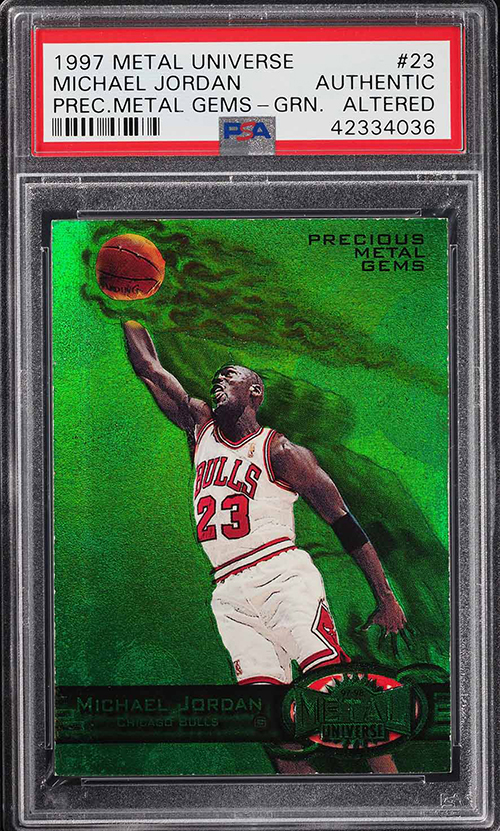
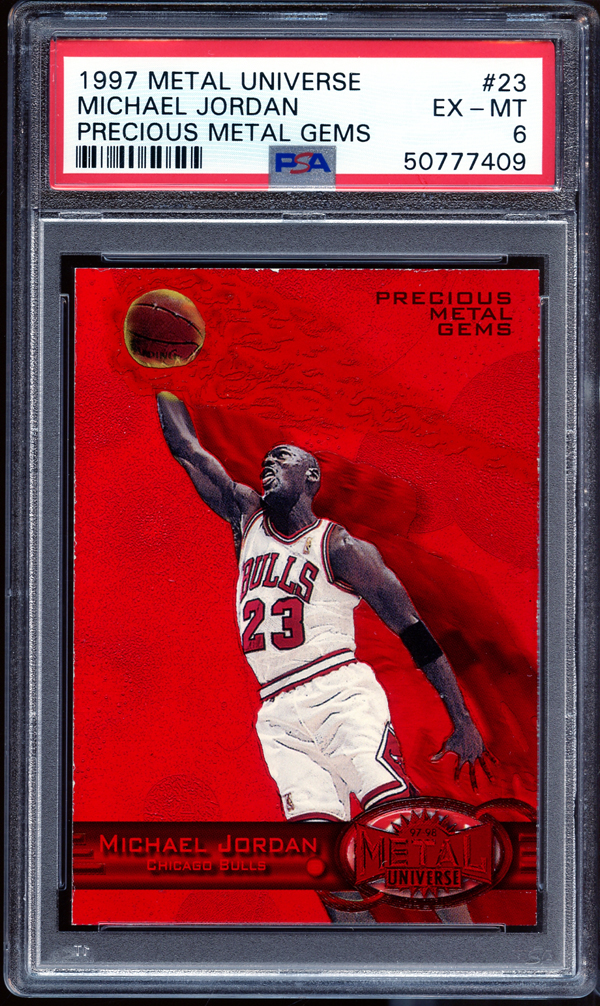
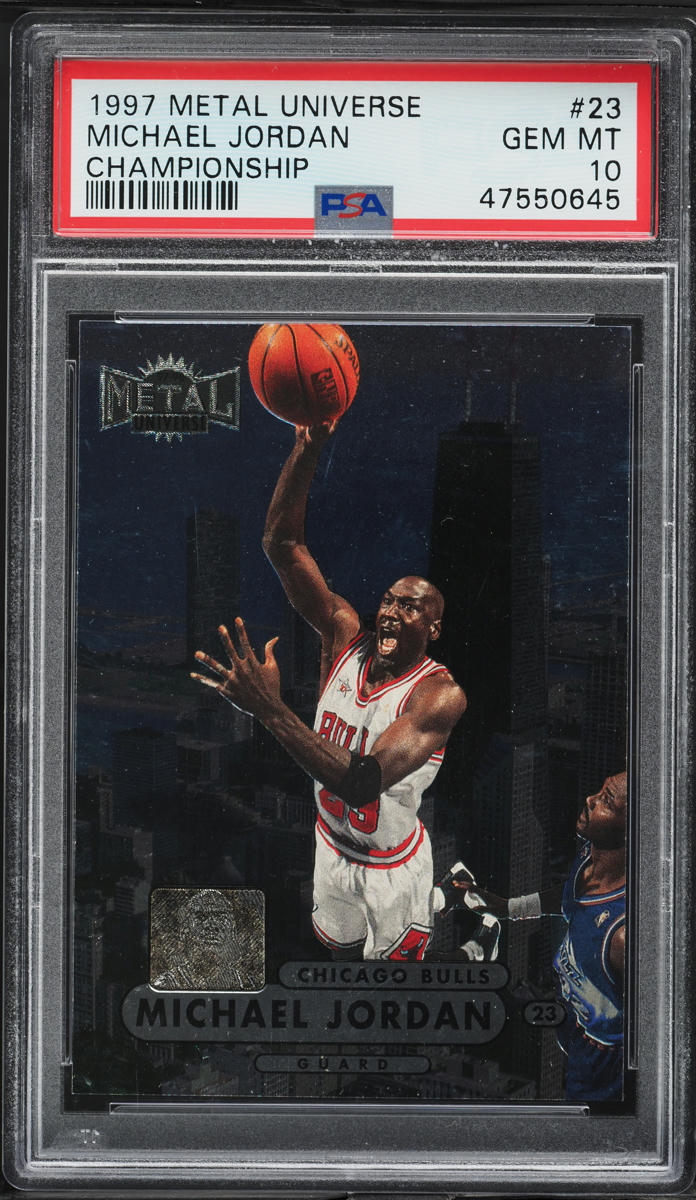
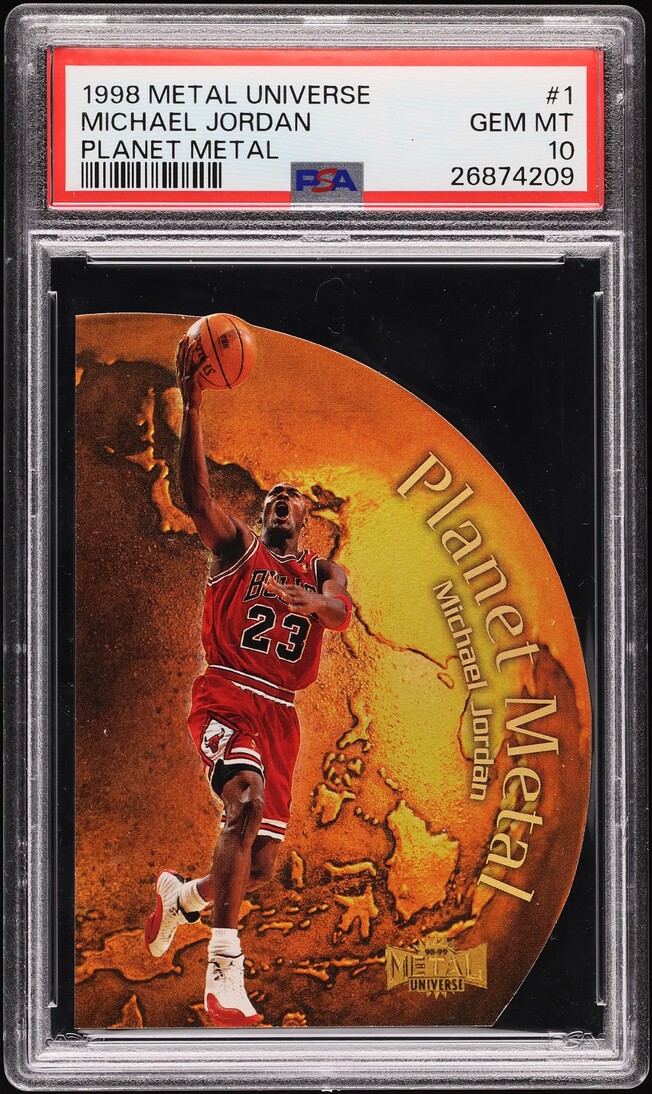
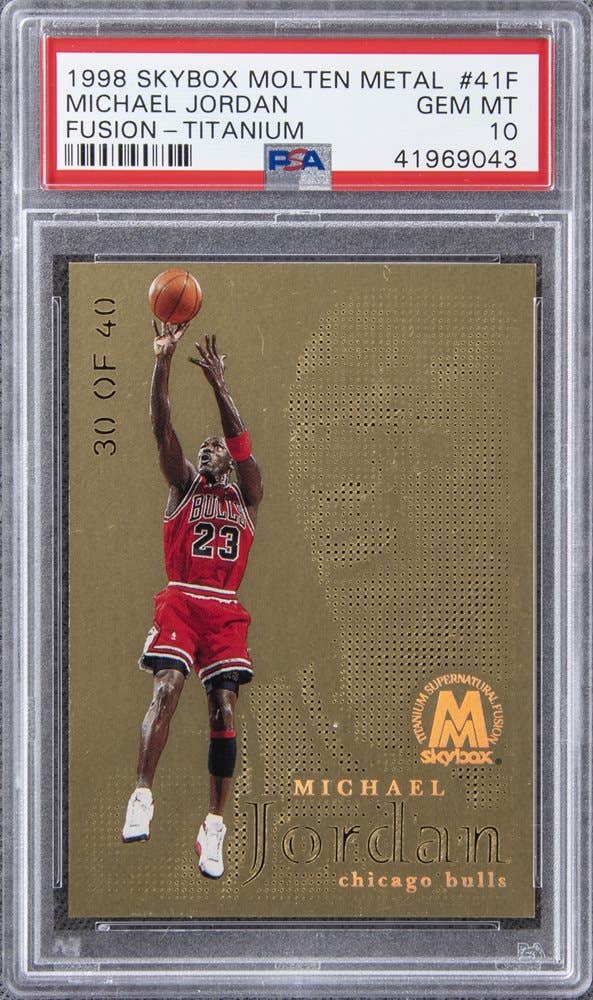
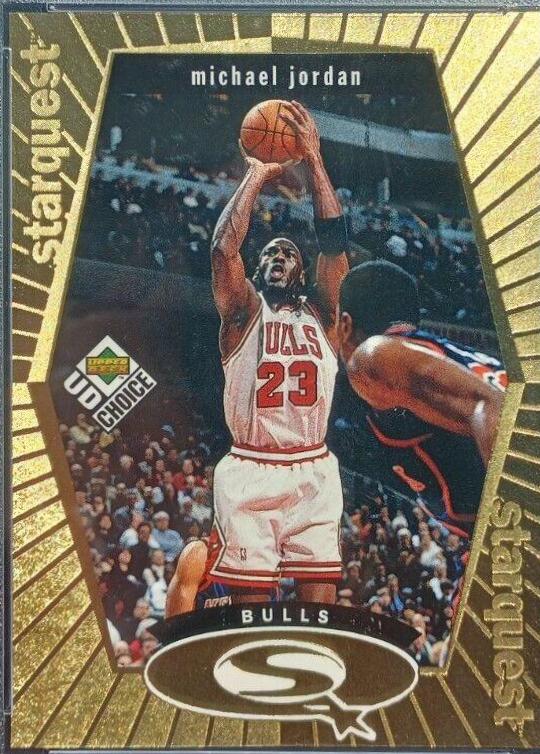
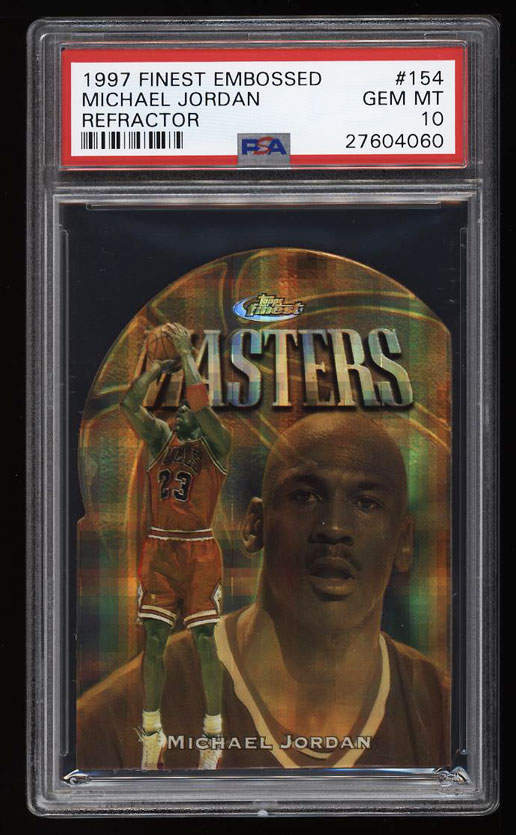
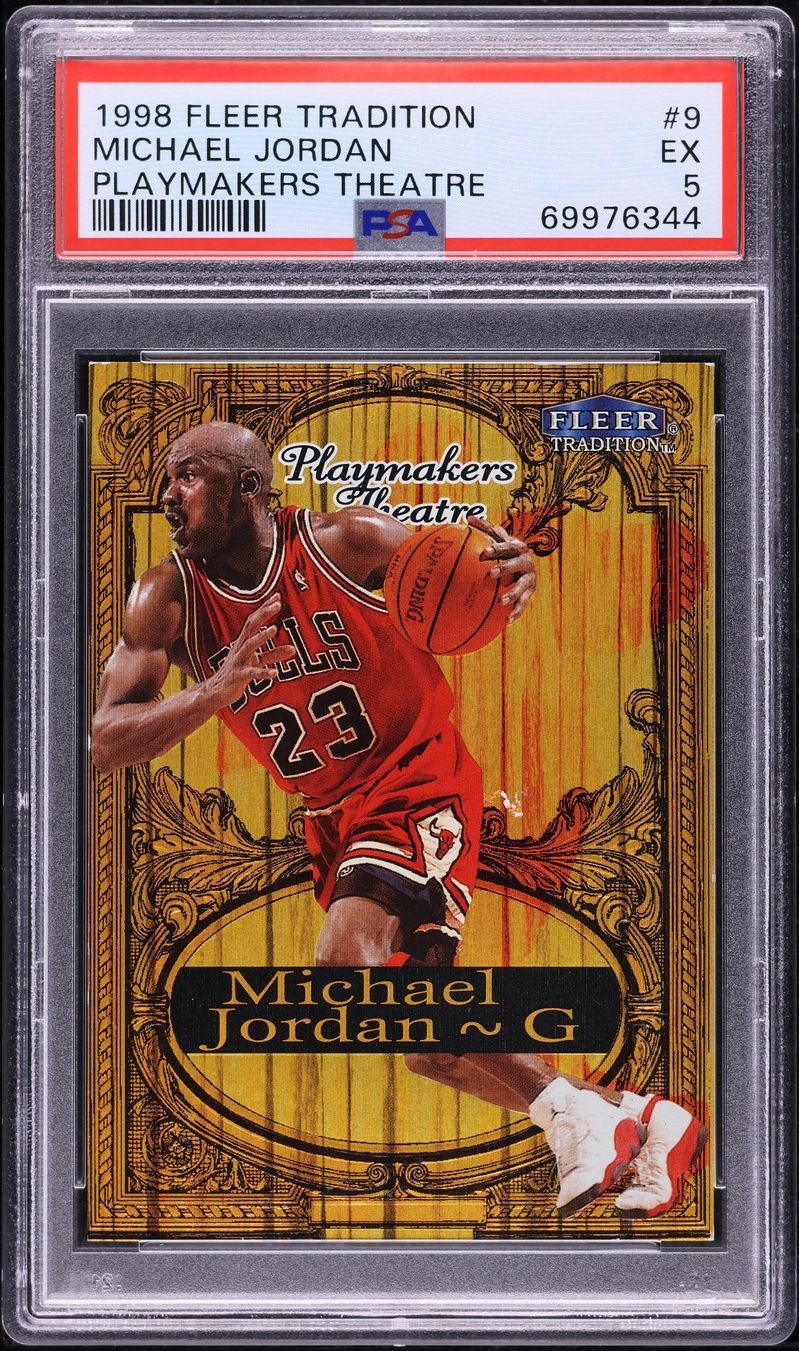
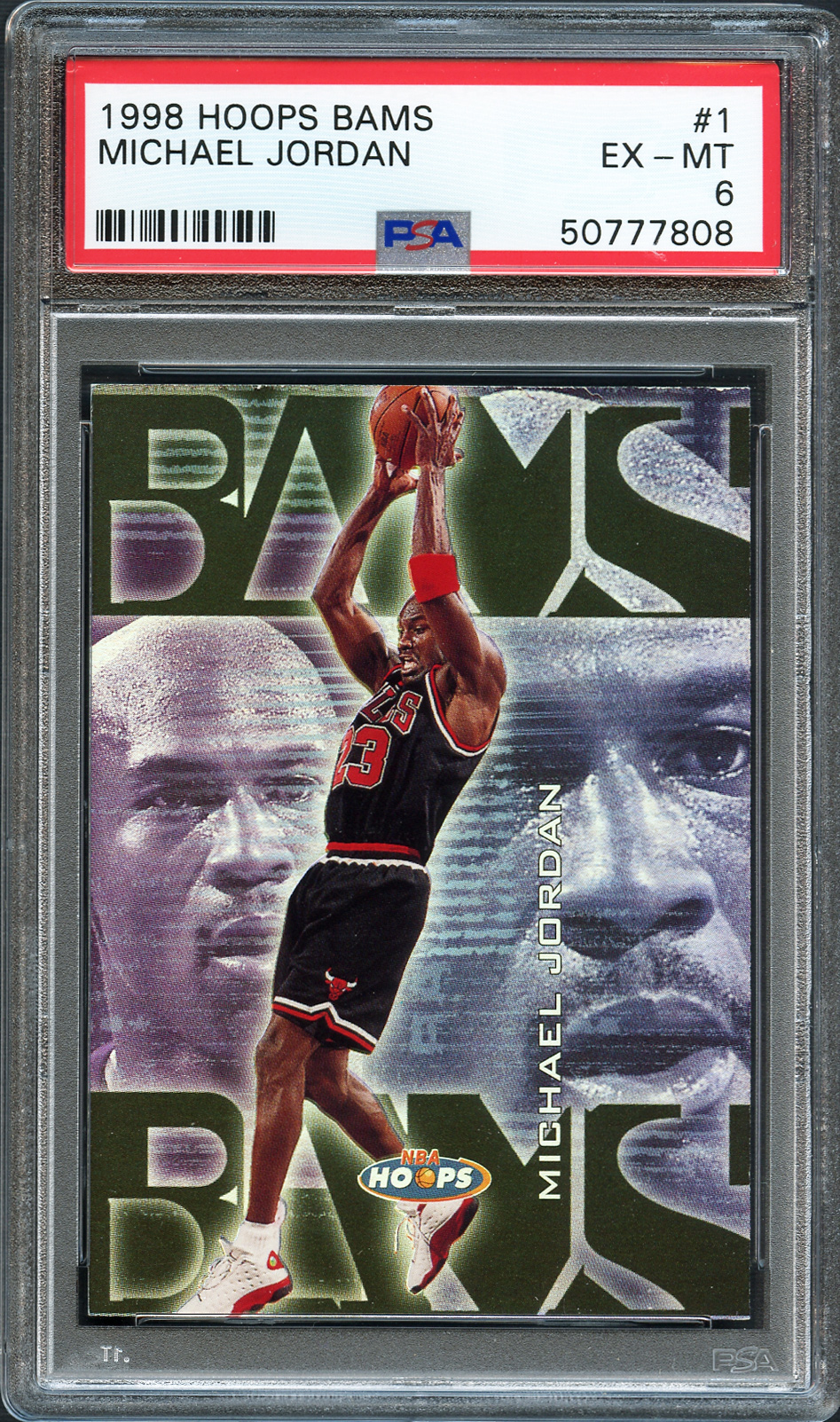
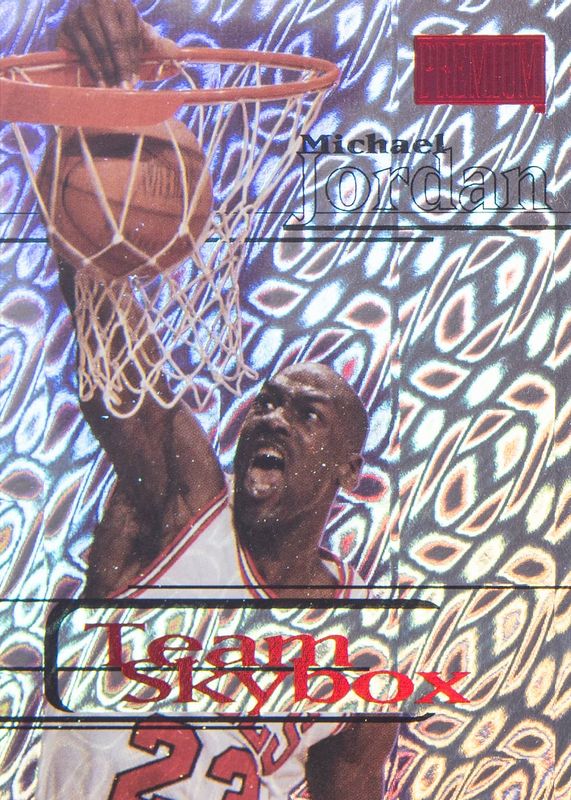
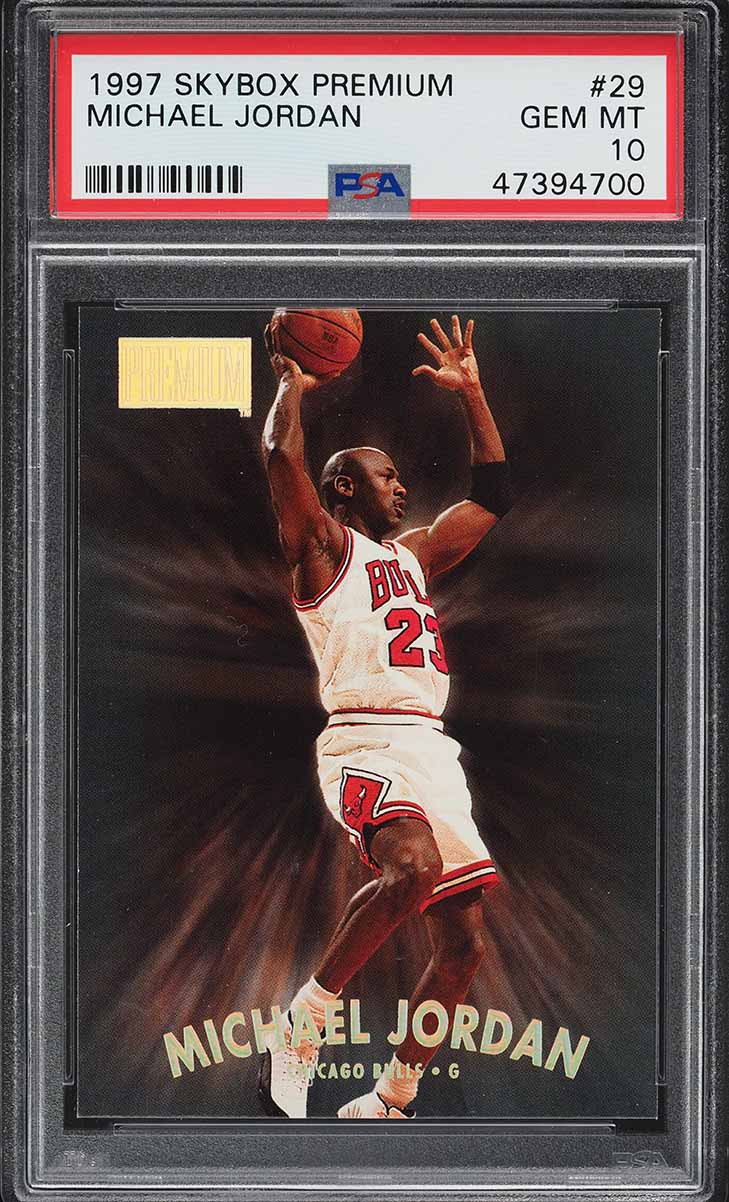
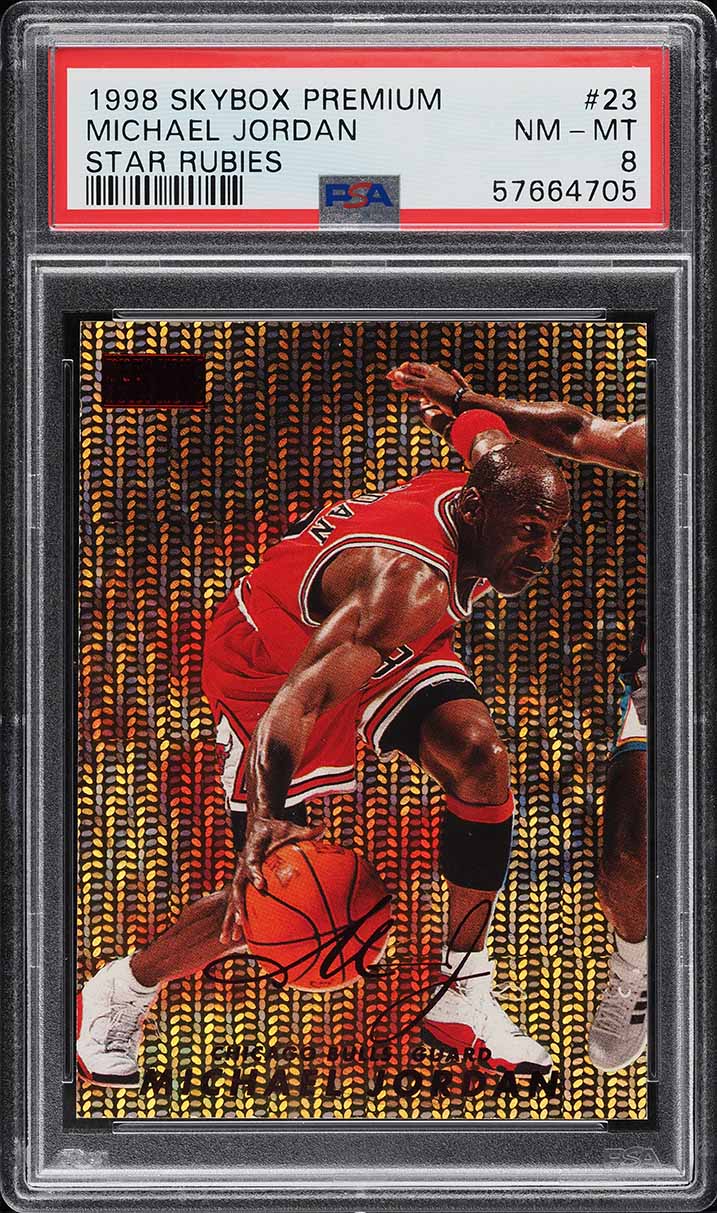
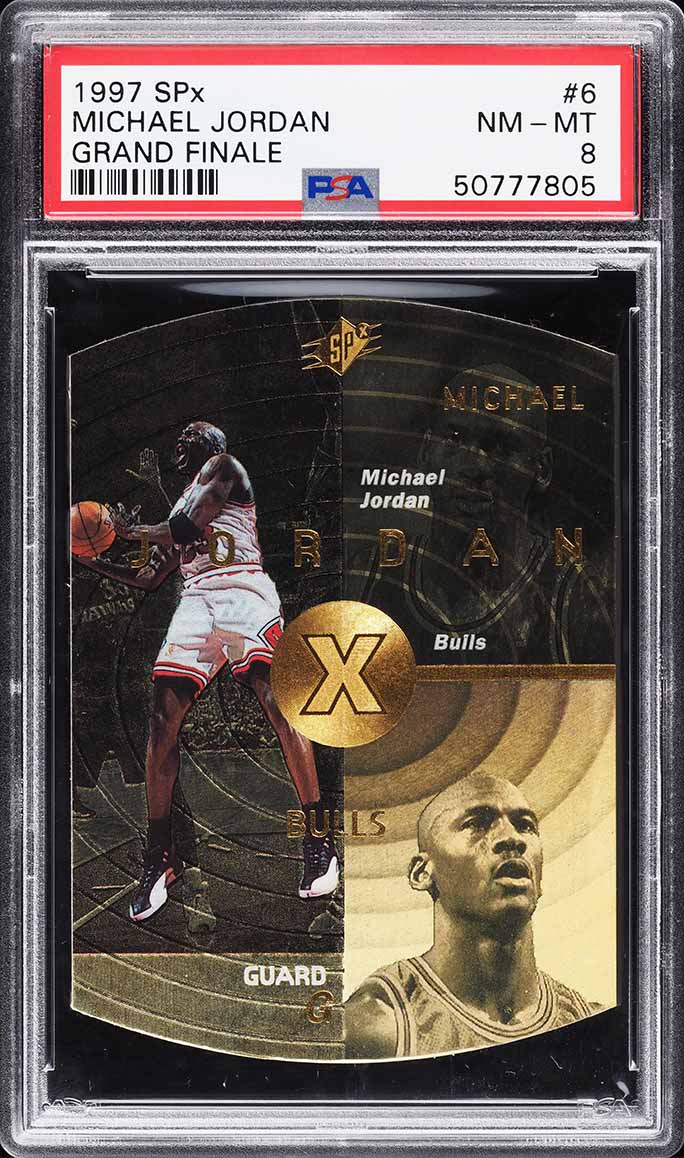
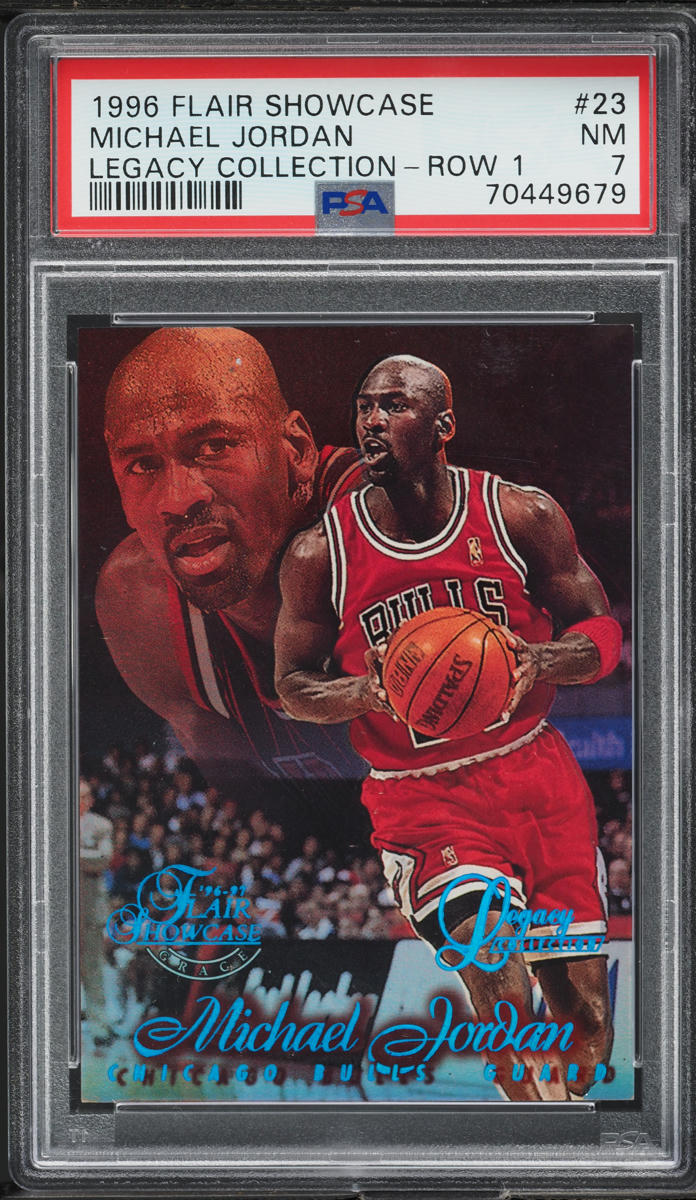
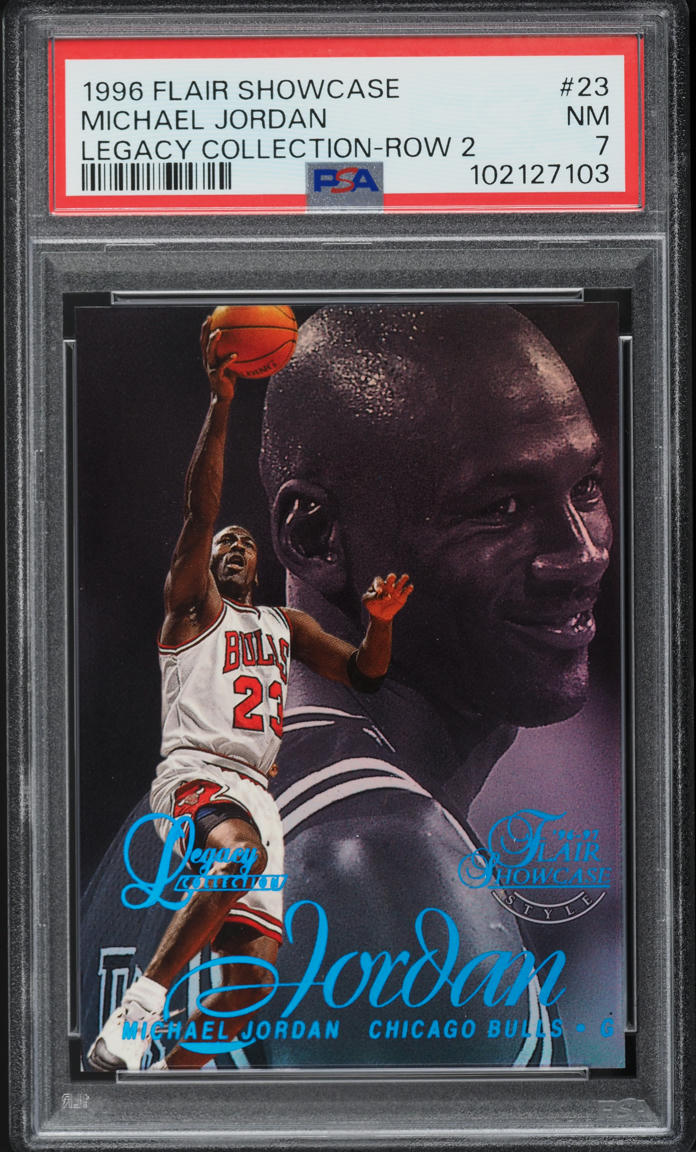
Tier 1 — The Pinnacle — holds 27 cards. Look at when they were printed and something jumps out: 25 of the 27 are from 1996, 1997 or 1998, and 15 are from 1997 alone. The top of the Michael Jordan card world is not spread across his career. It is concentrated almost entirely in a three-year window near the end of it.
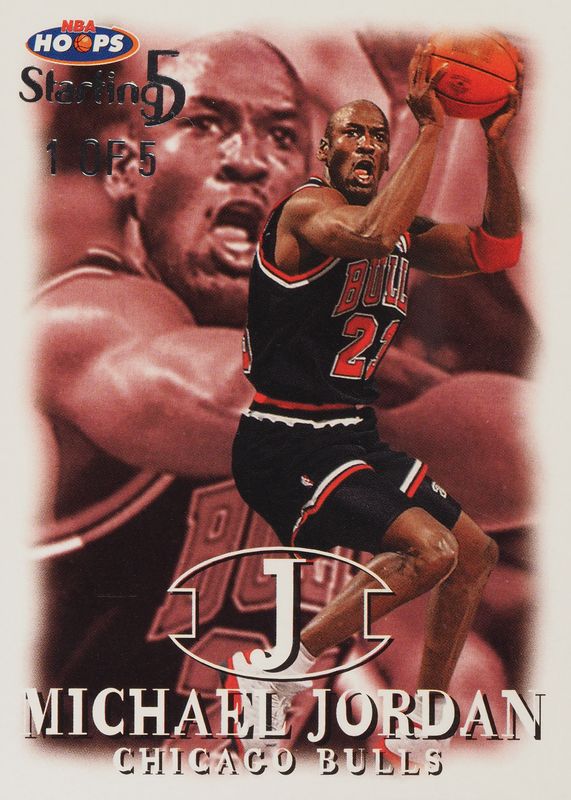
That window is the premium insert era. Serial numbering went mainstream, manufacturers started printing deliberately tiny parallel runs, and the chase card was invented more or less as we know it today. Twenty-three of these 27 cards carry a stated print run, from /150 down to the 1998 NBA Hoops Starting Five #23 at /5. Scarcity stopped being an accident of survival and became a number printed on the card.
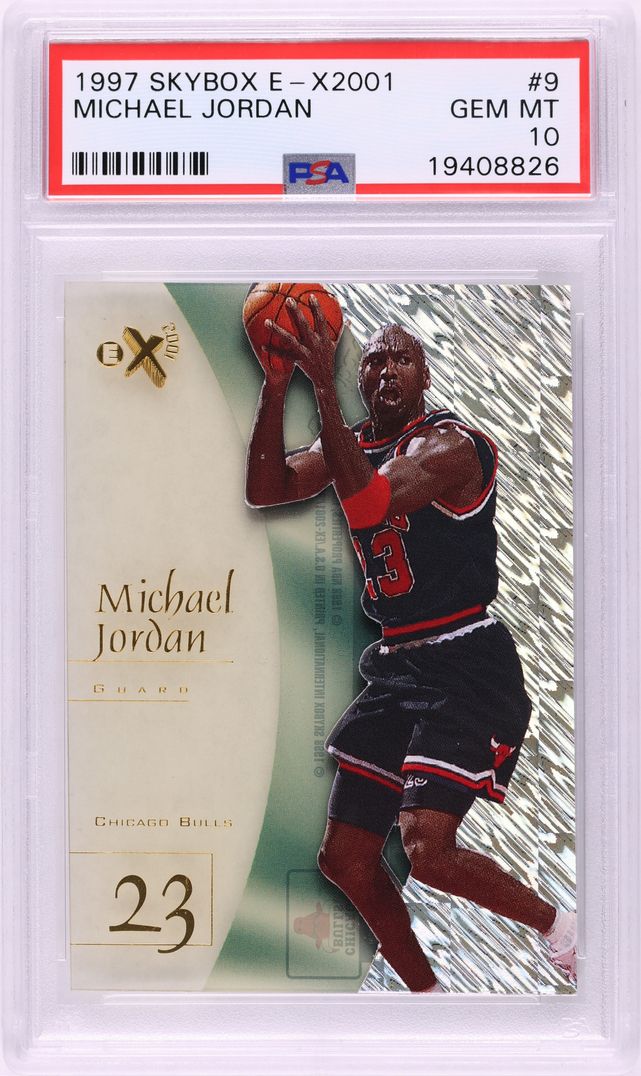
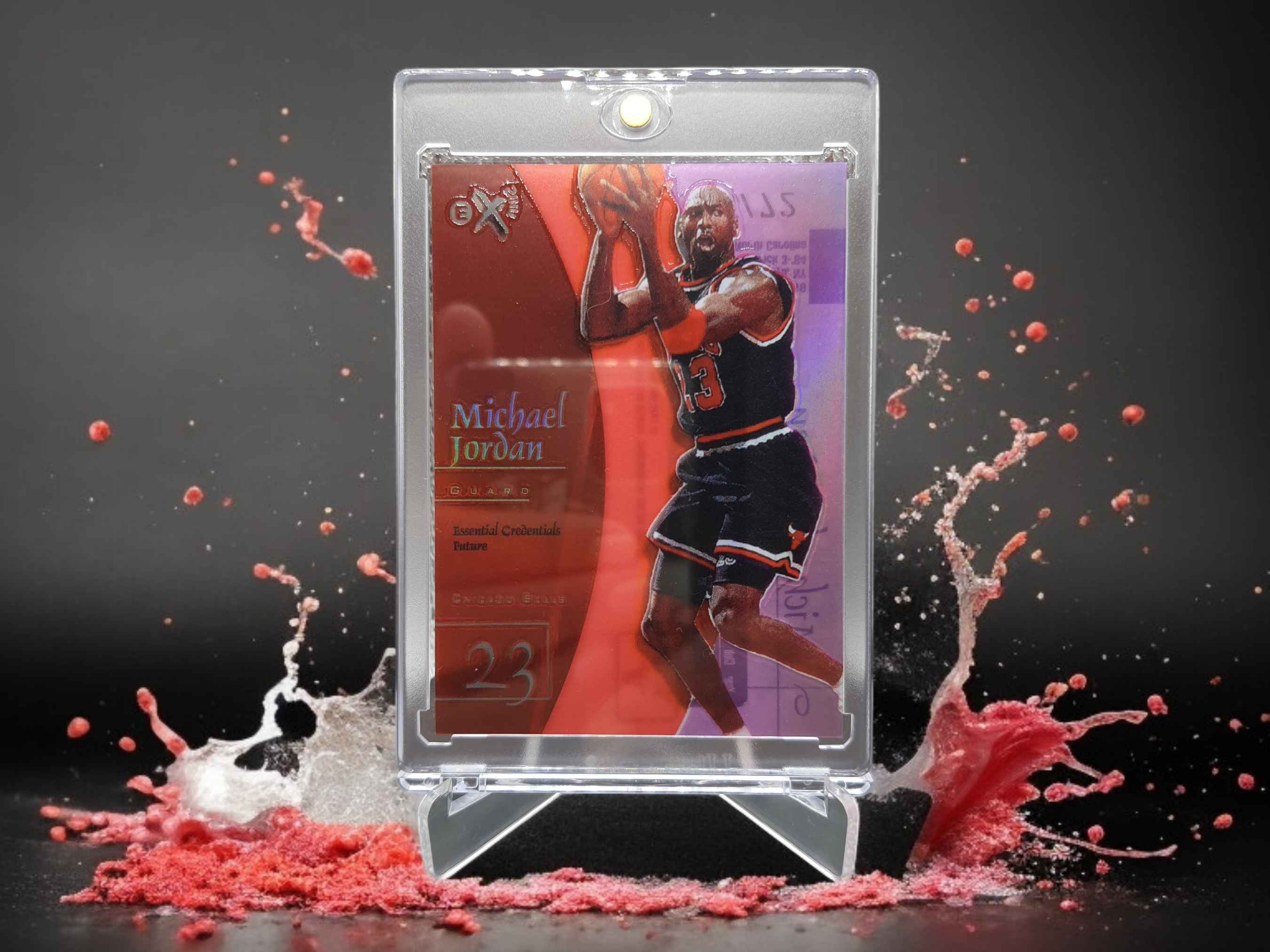
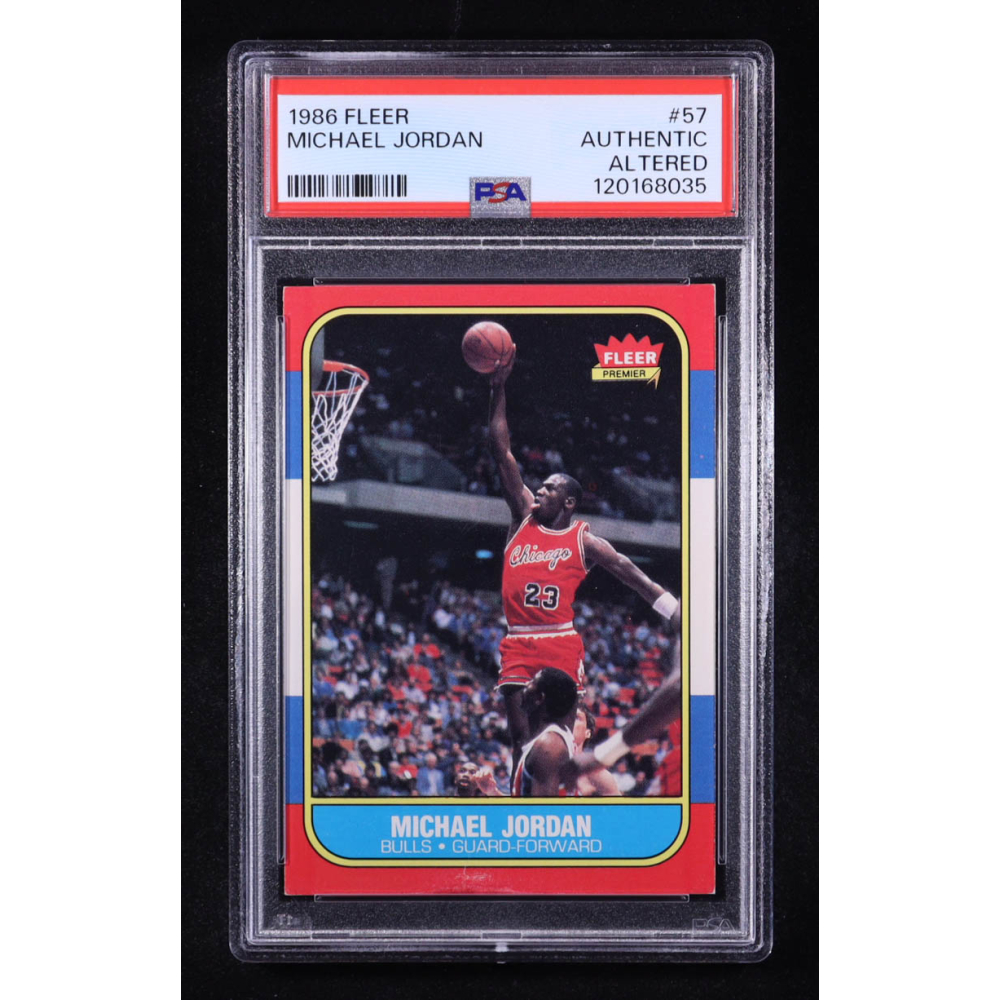
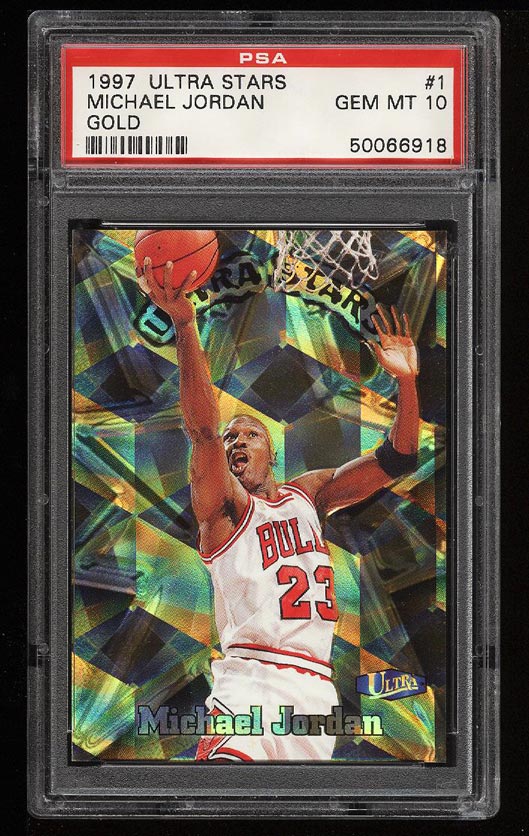
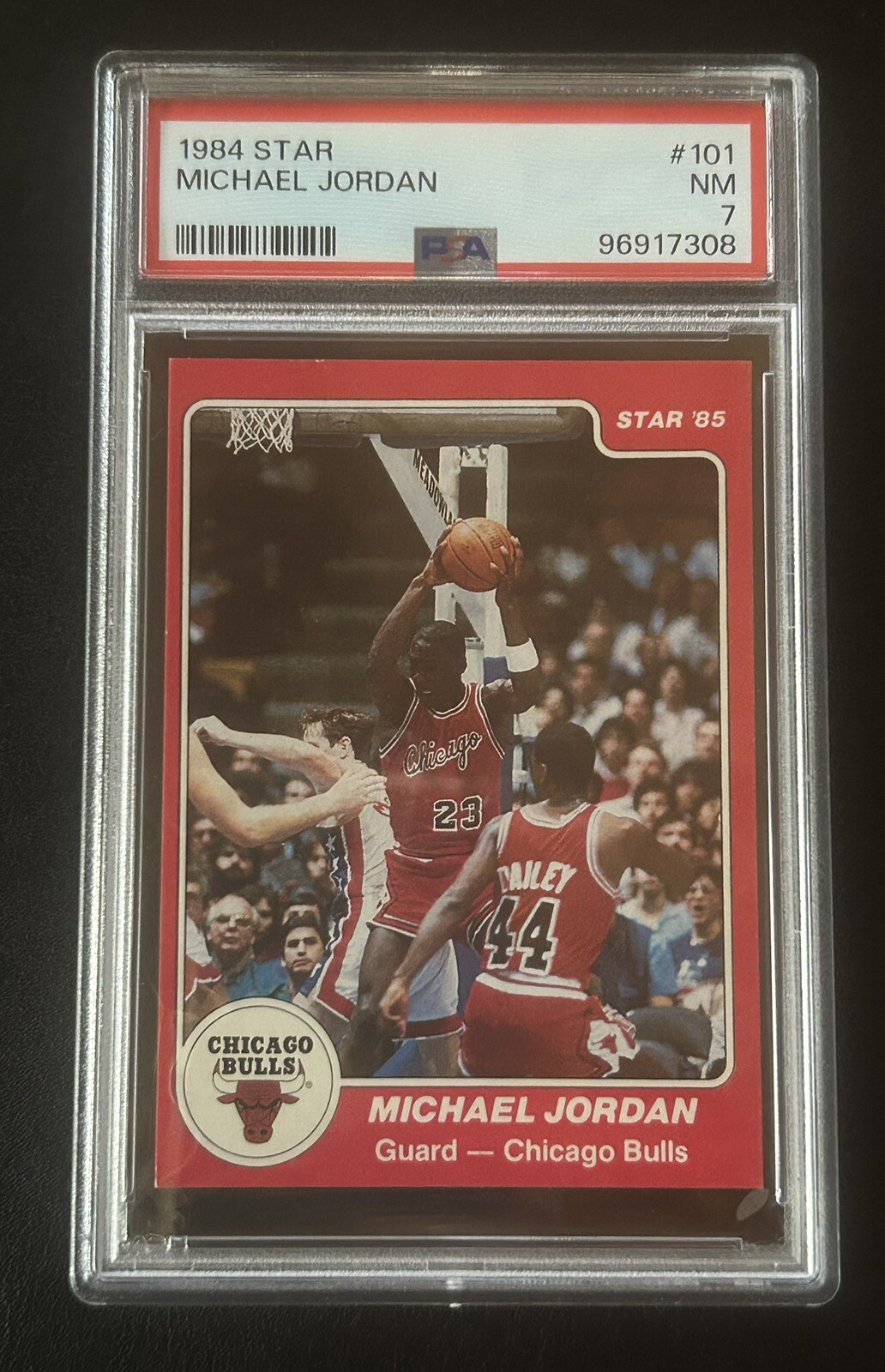
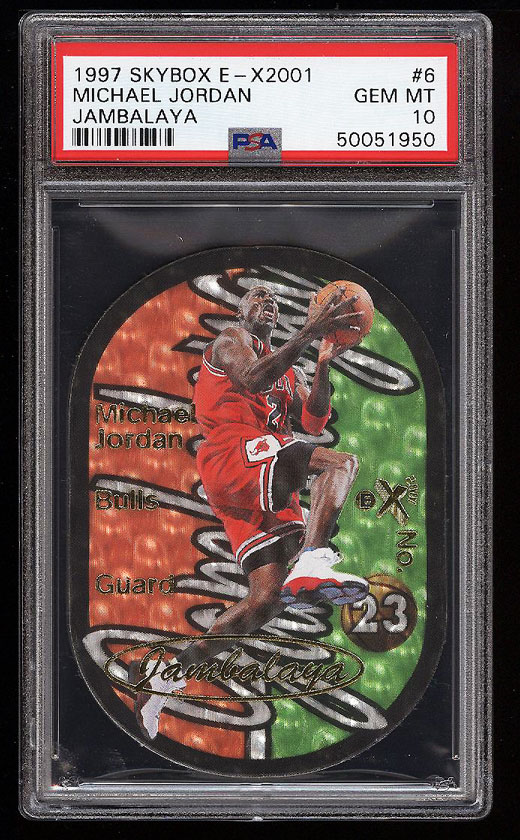
Only two cards escape that window, and they are the two rookies: the 1984 Star #101 and the 1986 Fleer #57. Neither is serial numbered. They earn their place a different way — they are the beginning, and there is only one of those. Two more cards sit in the era but carry no print run at all, the 1997 Ultra Stars Gold #1 and the 1997 E-X2001 Jambalaya #6, both rare through production reality rather than a stamped number.
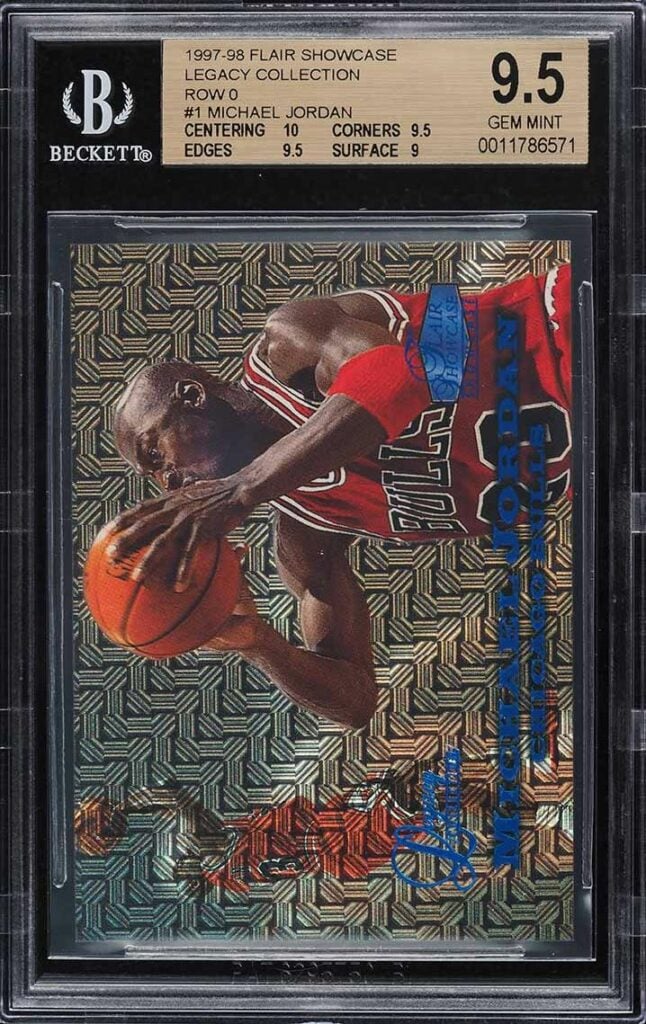
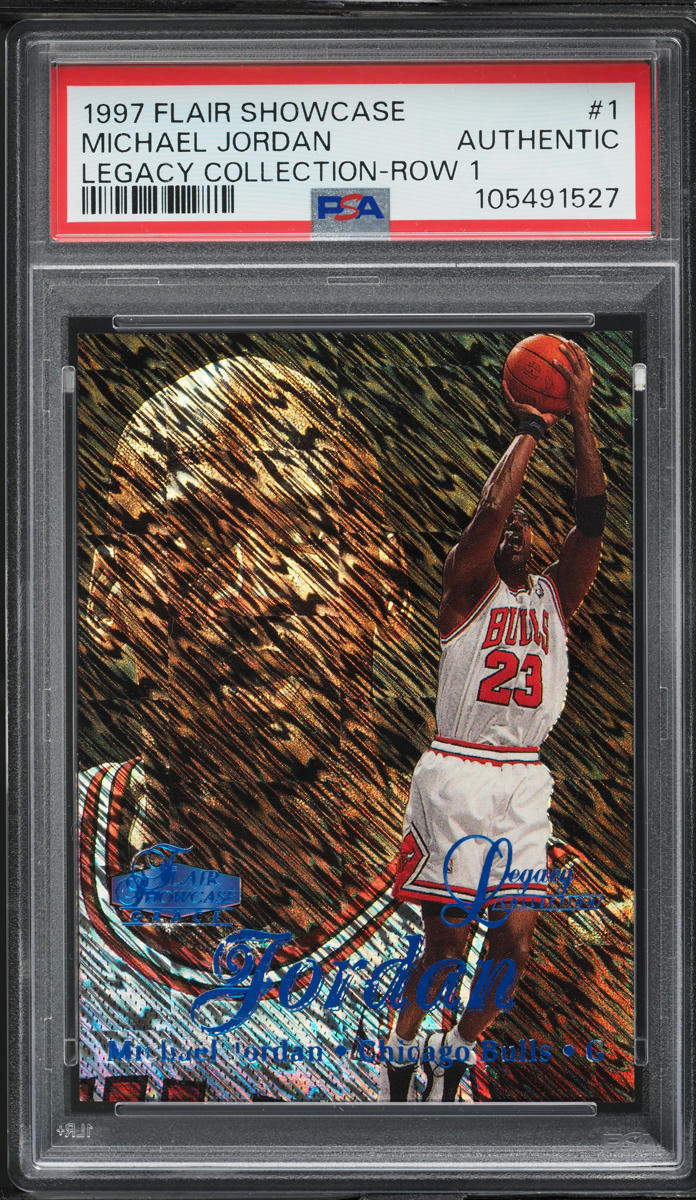
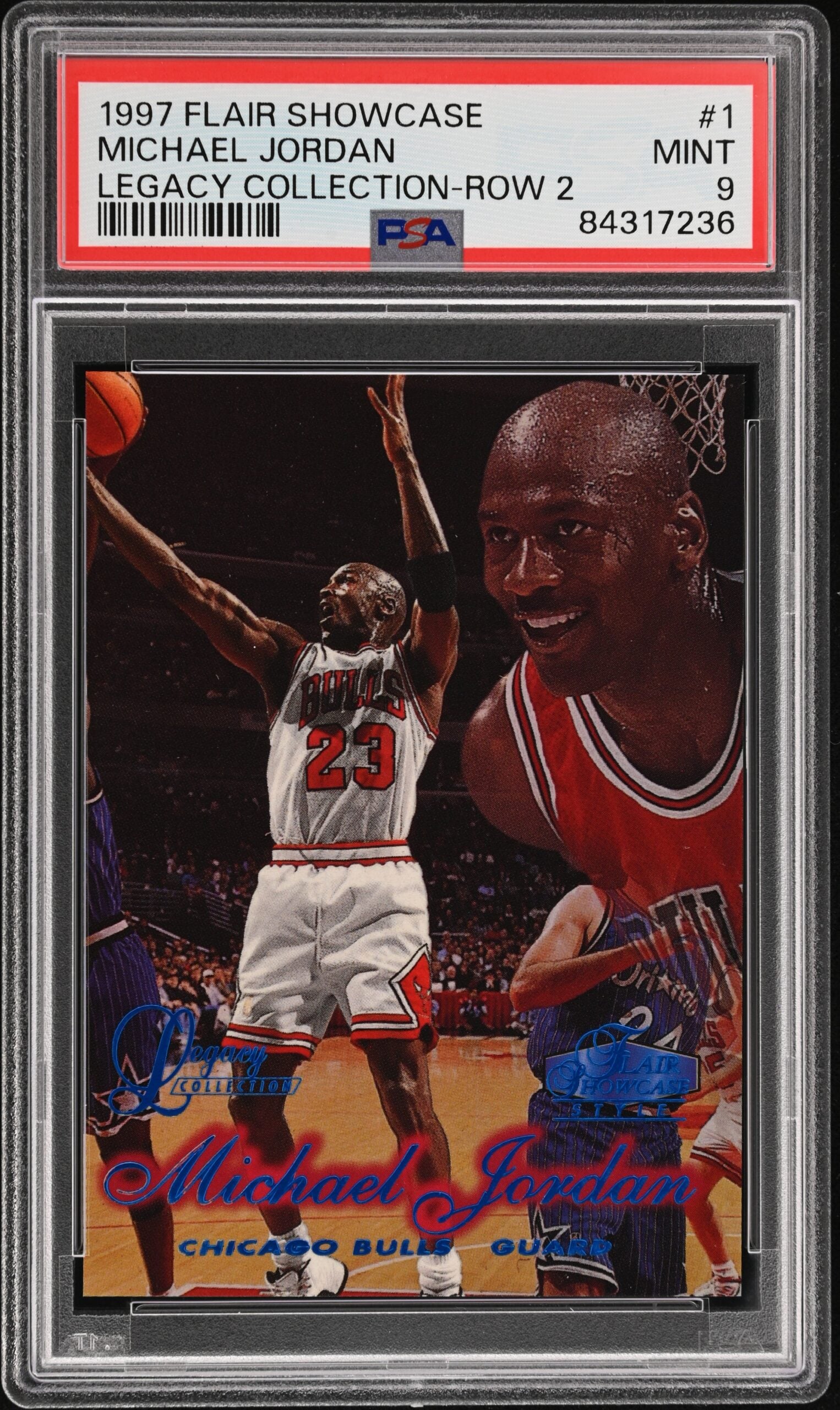
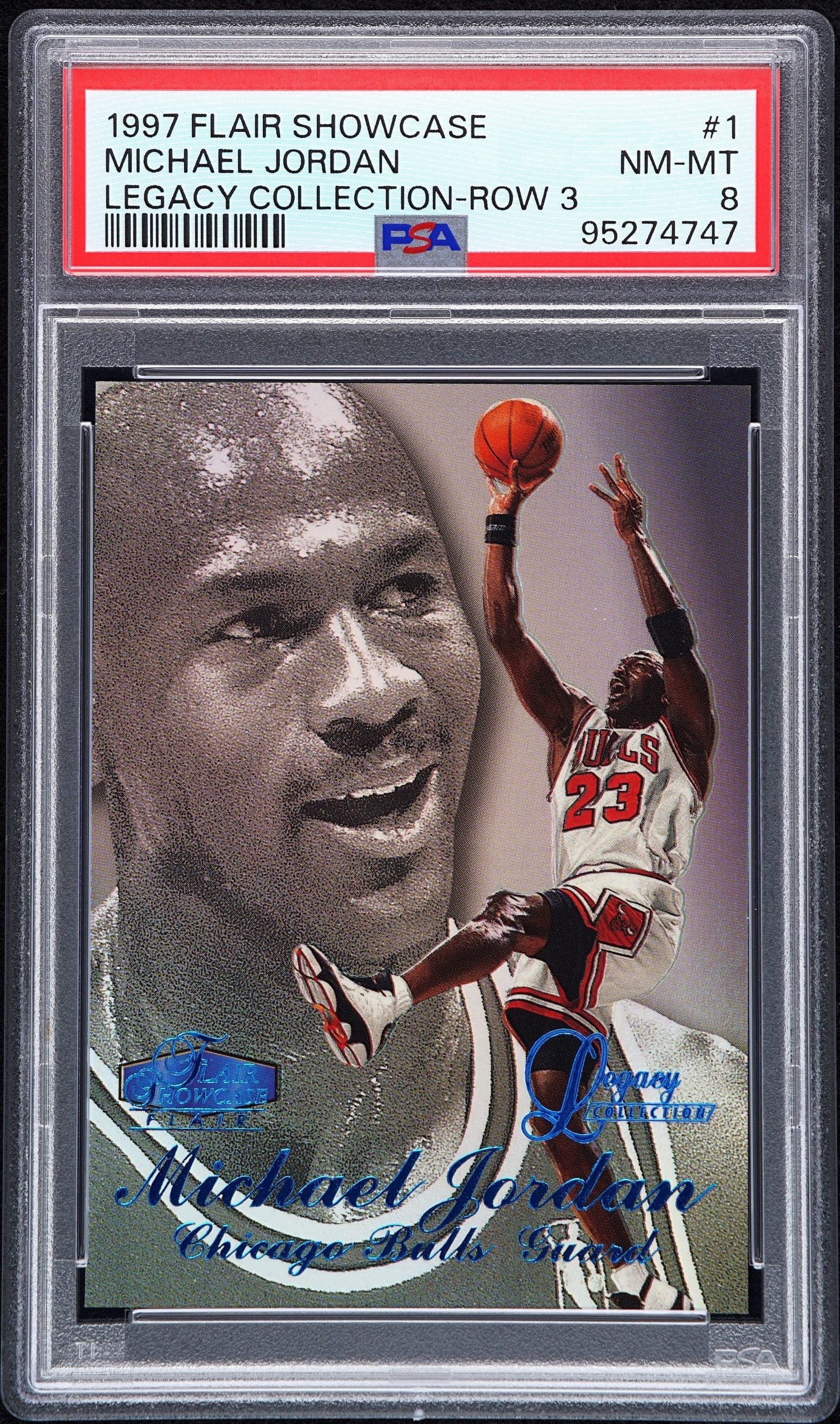
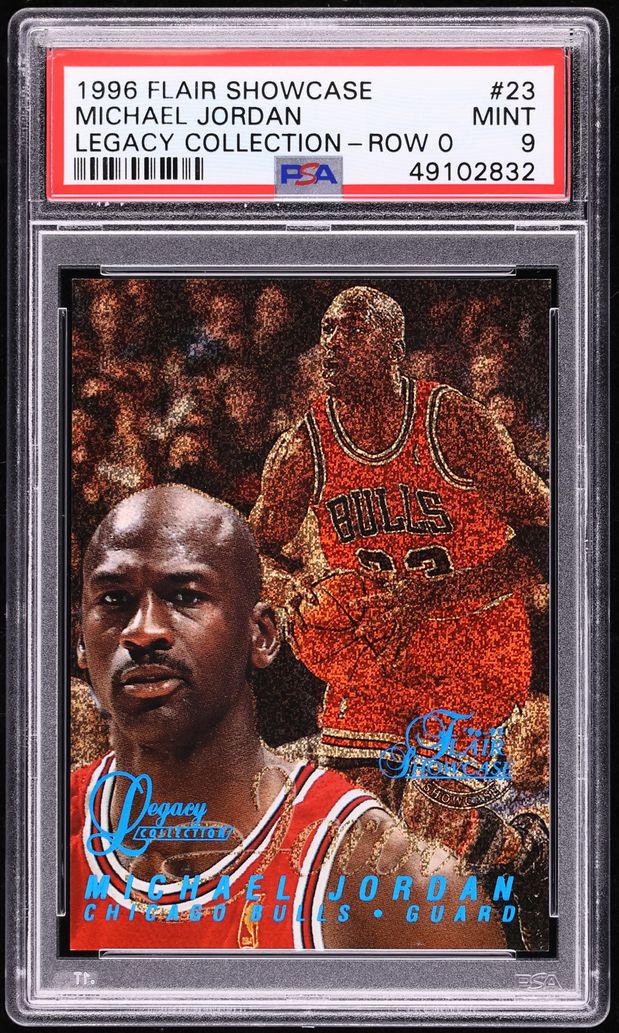
You can also see how sets cluster. The 1997 Flair Showcase Legacy Collection contributes four cards — Rows 0 through 3, the full ladder — and the 1996 edition contributes three more. Across the whole tier, 27 cards come from 17 distinct sets, so roughly a third arrive in groups rather than alone. When a set shows up more than once here, it is usually because the set itself was built as a tiered chase.
One honest note about value. Ten of these 27 currently show a live eBay asking price; the rest read “No recent sales yet.” That is not a gap in the tracker so much as a fact about the cards. Pricing here only counts listings that actually match the card, and it will not value a numbered parallel using comps from its base version. For a card with a print run of 5, there is frequently nothing on the market to match against at all. An empty price is usually telling you something true about scarcity.
The practical way to use this tier: treat it as a map of what the ceiling looks like, not a shopping list. Most collections will never hold a PMG. But knowing that the peak is a 1996–98 phenomenon tells you where to look when you want a card that feels like the top of the hobby, and the tiers below fill in the attainable version of the same story.
All 27 Tier 1 cards27